How AI Is Reshaping Human Collaboration in the Workplace
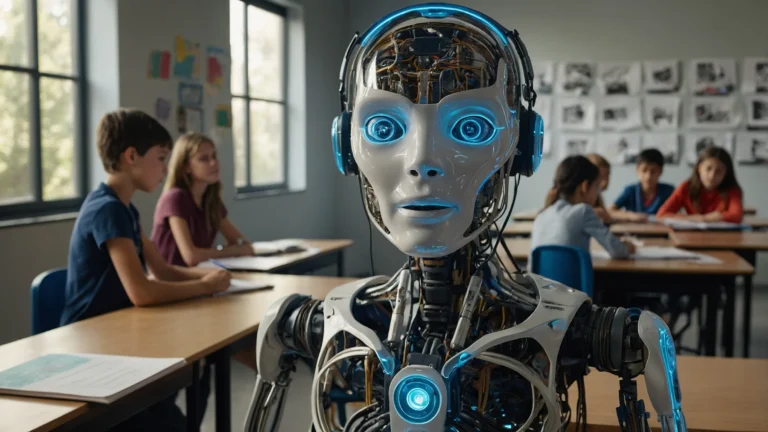
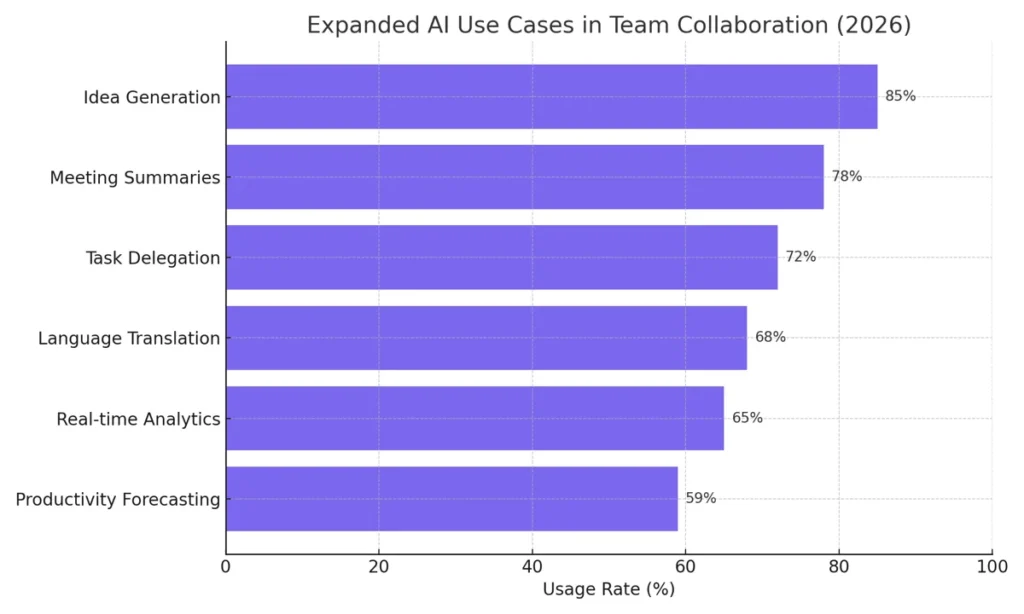
In 2026, collaboration is no longer limited to face-to-face meetings, static schedules, or language barriers. Powered by artificial intelligence, team synergy is now augmented by intelligent systems that summarize, translate, predict, organize, and ideate.
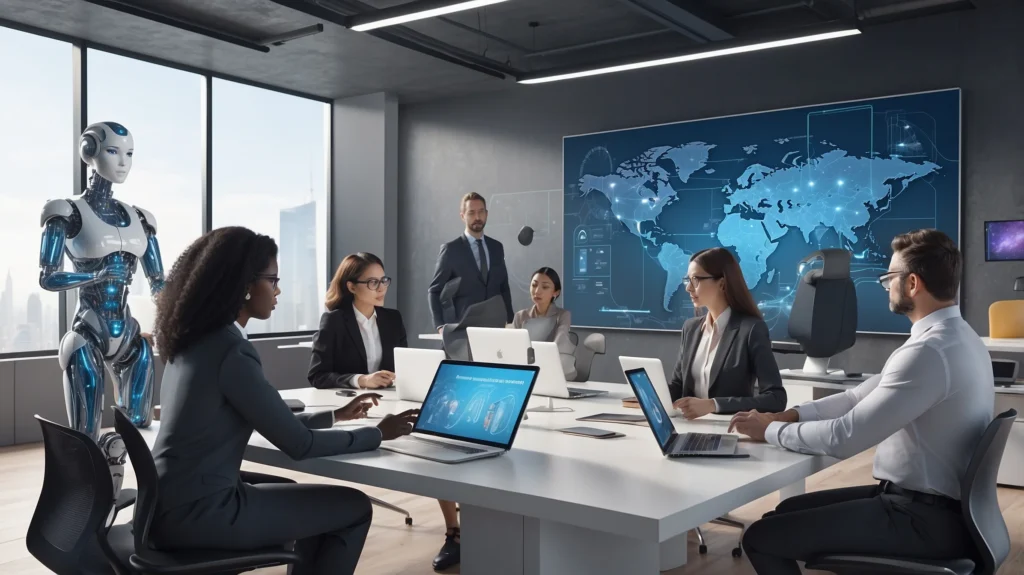
Far from replacing people, AI in modern workplaces has taken on the role of a real-time assistant — helping teams think clearer, move faster, and communicate better. The result? More cohesive collaboration, fewer miscommunications, and better performance at scale.
The Rise of Collaborative Intelligence
AI systems are now embedded into daily workflows of global teams, acting as:
- 🧠 Memory keepers — capturing meeting notes, tasks, and ideas automatically
- 📅 Schedulers — optimizing time zones, agendas, and energy patterns
- 🗣 Translators — enabling instant cross-language communication
- 🔍 Context keepers — reminding teams of priorities, blockers, and dependencies
- 🤖 Co-creators — suggesting improvements, generating content, and offering insights
This isn’t artificial intelligence alone — it’s augmented collaboration.
Real-World Examples
| Tool / Platform | AI Function That Supports Collaboration |
| Notion AI | Summarizes meeting transcripts into tasks and follow-ups |
| Otter.ai + Zoom | Transcribes and tags key moments in real time |
| Slack GPT | Creates action items from message threads |
| Microsoft Loop + Copilot | Suggests task breakdowns and content drafts for group projects |
| ClickUp AI | Forecasts deadlines and resource needs based on past data |
These tools reduce manual work and cognitive load, letting people focus on decision-making, creativity, and leadership.
Human + AI: A Two-Way Partnership
Instead of replacing humans, the best collaboration tools now rely on a loop:
- AI observes behavior →
- Makes a suggestion or executes a pattern →
- The team confirms, adjusts, or refines it →
- AI learns and improves next time
This hybrid intelligence enables more accurate outcomes and reduces repetition.
💡 According to MIT Sloan Management Review, teams using AI collaboration assistants report up to 35% faster project turnaround and 25% fewer communication breakdowns.

Challenges That Remain
Despite huge strides, there are areas to watch:
- ⚠️ Overdependence on automation can lead to lack of human accountability
- 🔒 Security & privacy are critical when AI records meetings or sensitive content
- 🤖 Trust in AI suggestions must be built over time with feedback loops
- 🌍 Cultural nuance in language still challenges real-time translation models
Solution: AI systems must be transparent, explainable, and respectful of human oversight.
The Future of AI-Powered Collaboration
Looking ahead to 2027 and beyond, we expect:
- 🎥 AI camera assistants that read facial expressions in hybrid meetings
- 🧠 Neuro-symbolic AI that adapts based on individual thinking patterns
- 💼 Virtual team coaches that track morale, suggest process tweaks, and recommend team restructuring
- 🌐 Global language mesh: AI-assisted multilingual teamwork without latency
- ✍️ Meeting-to-document pipelines: AI writes full reports from short calls
Conclusion
AI isn’t just helping people work faster — it’s helping them work together better.By removing friction, enhancing clarity, and adapting to team behavior, AI is shaping the next era of collaboration, where people are empowered to lead with insight, creativity, and speed — no matter where or how they work.